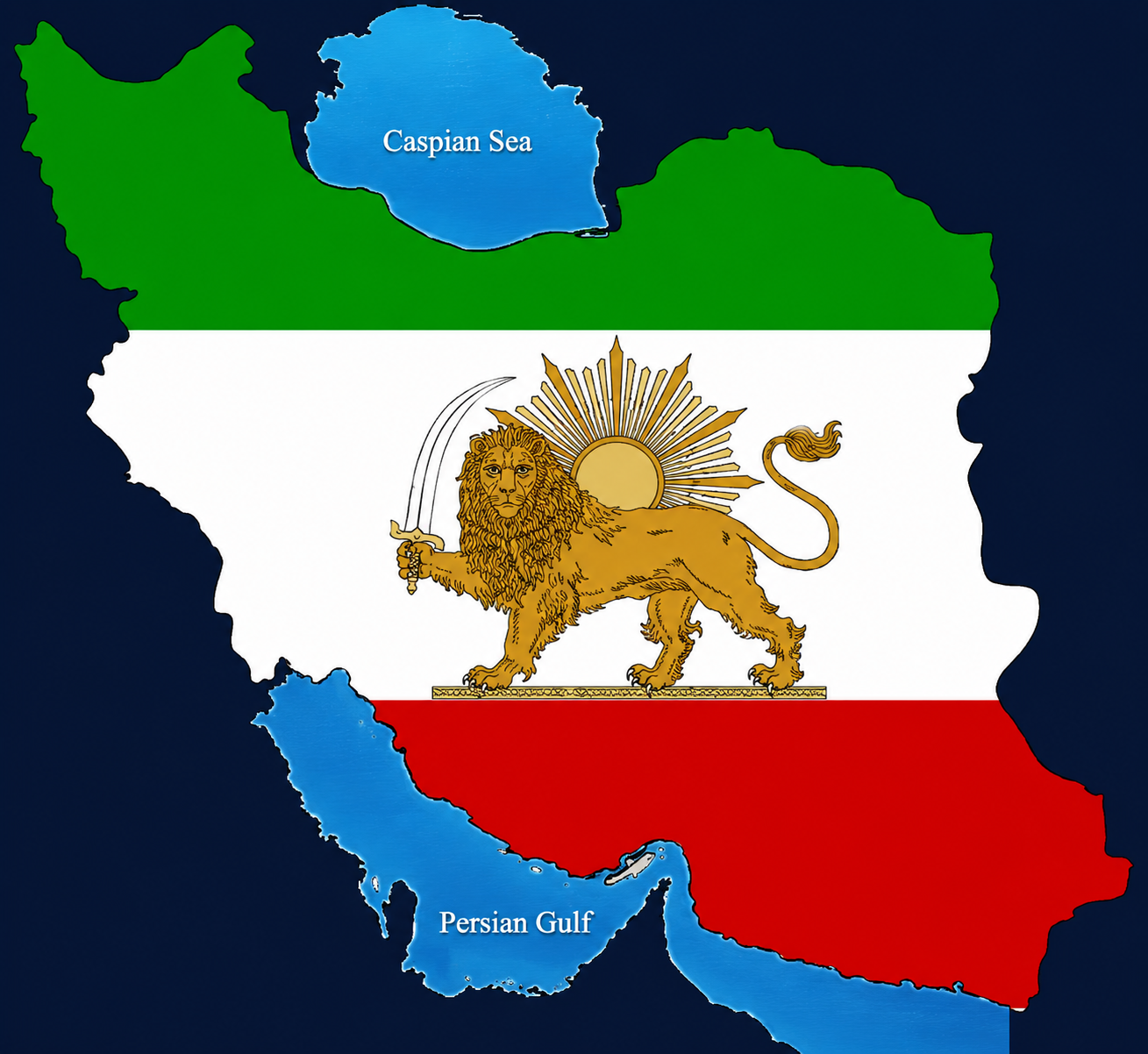
The future of Iran must be decided by the Iranian people
Many Iranians, both inside Iran and in the diaspora, share a common desire for:
democracy and free elections
a secular government
human rights
freedom of expression
religious freedom
equality
and an end to political repression.
The Iranian opposition today consists of many diverse groups and movements—both inside Iran and abroad—with varying backgrounds, ideas, and visions for the country's future.
Many unite in opposing the Islamist regime and share a desire for a freer, more democratic, and just Iran, despite differing views on the future form of government, decentralization, and the path to change.
Within today's opposition, Reza Pahlavi is seen by many as a potential unifying and representative figure during a possible transition period, especially among parts of the diaspora and the secular opposition.
For many, the focus is primarily on:
national unity
international visibility
and support for a peaceful democratic transition.
The final form of government and Iran's future leadership should be determined through free and democratic processes by the Iranian people themselves.
What happens after the regime falls? In this series, we at Iran Novin Party's Canada Desk try to explain Prince Reza Pahlavi's plan during the transitional period:
— Siavash Safavi (@SedSia) March 12, 2026
Iran Prosperity Project's "Emergency Phase Booklet".
Thanks to @parham_rostin for doing most of the work! pic.twitter.com/KovfWQQR7o
What happens after the regime falls? Part 2.
— Siavash Safavi (@SedSia) March 19, 2026
In this series, we at Iran Novin Party's Canada Desk try to explain Prince Reza Pahlavi's plan during the transitional period:
Iran Prosperity Project's "Emergency Phase Booklet".
Thanks to @parham_rostin for doing most of the work! pic.twitter.com/gZexsbemZd
The video below consists of three short clips (approximately 1.5 minutes each) played consecutively.
Learn more about the plan for Iran's future here:
Iran Prosperity Project
Reza Pahlavi on 60 Minutes